Prescription Sunglasses vs. Transitions: Which Wins for Houston Drivers?
Prescription Sunglasses vs. Transitions: Which Wins for Houston Drivers?
Houston drivers know how quickly the light can change on the road. One minute you are driving through bright sun on I-10 or 610, and the next you are under cloud cover, shaded streets, or a parking garage. If you wear prescription glasses, choosing the right sun protection matters for comfort, clarity, and safety behind the wheel.
Two popular options are prescription sunglasses and Transitions lenses. Both help reduce outdoor brightness, but they work differently. For Houston drivers, the best choice depends on your daily routine, driving habits, and how often you move between indoor and outdoor settings.
How Prescription Sunglasses Work
Prescription sunglasses are made with your vision prescription and tinted lenses designed for outdoor use. They give you clear distance vision while reducing sunlight and glare, which is especially helpful during Houston’s bright afternoons and evening commutes.
For driving, prescription sunglasses are often the stronger option because they stay consistently tinted. You do not have to wait for them to adjust, and you can choose lens features that are especially useful on the road, such as polarized lenses, anti-reflective coating, or specific tint colors.
How Transitions Lenses Work
Transitions lenses, also called photochromic lenses, darken when exposed to UV light and become clear again indoors. They are convenient because you do not have to switch between regular glasses and sunglasses throughout the day.
For many Houston patients, Transitions are a great everyday option. They work well for walking outside, running errands, or spending time in changing light. However, inside a car, most windshields block a significant amount of UV light, which can limit how dark standard Transitions lenses become while driving.
Which Option Is Better For Houston Driving?
For frequent drivers, prescription sunglasses are usually the better choice. Houston roads often involve intense sunlight, reflective pavement, and glare from other vehicles. Prescription sunglasses provide steady sun protection without depending on UV activation.
Transitions lenses are still useful, especially if you want one pair of glasses for most daily activities. They are convenient for people who move in and out of buildings often, but they may not provide the same level of brightness control behind the wheel as dedicated prescription sunglasses.
Key Differences To Consider
When comparing prescription sunglasses vs. Transitions for Houston driving, think about:
- How often you drive during bright daylight
- Whether glare bothers you on highways or near reflective surfaces
- How much you want to avoid switching glasses
- Whether you need polarized lenses for sharper driving comfort
- How quickly you need your lenses to respond to changing light
If driving comfort is your main concern, prescription sunglasses often offer the most reliable performance. If convenience is more important, Transitions may be a better everyday choice.
Why Lens Quality Matters
Not all sun lenses are the same. A well-made pair of prescription sunglasses should match your exact prescription, fit comfortably, and provide the right level of tint for your needs. Lens coatings can also make a difference, especially in a bright city like Houston where glare can affect visibility.
At an eye exam, your optometrist can review your prescription, lifestyle, and driving needs to help you choose the right lenses. This is especially helpful if you have astigmatism, progressive lenses, light sensitivity, or trouble seeing clearly while driving at night.
The Best Choice For Your Lifestyle
For many Houston drivers, the ideal setup is having both options: everyday glasses with Transitions lenses and a separate pair of prescription sunglasses for driving. This gives you flexibility, comfort, and reliable protection when the sun is strongest.
If you only want one option, think about where you spend most of your time. Choose prescription sunglasses if you drive often in bright light. Choose Transitions if you want one pair of glasses that adapts throughout the day.
Drive with clearer vision and better sun protection and schedule your comprehensive eye exam with Iris Eye Care & Eyewear in Houston, TX by calling (713) 701-5701.
Helpful Articles
article_category: products
article_category: psychiatry
article_category: faqs
article_category: cats
article_category: general
article_category: services
article_category: technology
article_category: dogs
article_category: restorative
article_category: vision therapy
article_category: contact lenses
article_category: health
article_category: conditions
article_category: eye surgery co-management
article_category: exotic
article_category: cosmetic
article_category: surgical procedures
article_category: aesthetics
article_category: preventative
article_category: ocular disease management
article_category: eyeglasses
article_category: eye health
article_category: large animal
[]
article_category: psychiatry
article_category: faqs
article_category: cats
article_category: general
article_category: services
article_category: technology
article_category: dogs
article_category: restorative
article_category: vision therapy
article_category: contact lenses
article_category: health
article_category: conditions
article_category: eye surgery co-management
article_category: exotic
article_category: cosmetic
article_category: surgical procedures
article_category: aesthetics
article_category: preventative
article_category: ocular disease management
article_category: eyeglasses
article_category: eye health
article_category: large animal
[]
Flowbite is an open-source library of interactive components built on top of Tailwind CSS including buttons, dropdowns, modals, navbars, and more.
Check out this guide to learn how to get started and start developing websites even faster with components on top of Tailwind CSS.
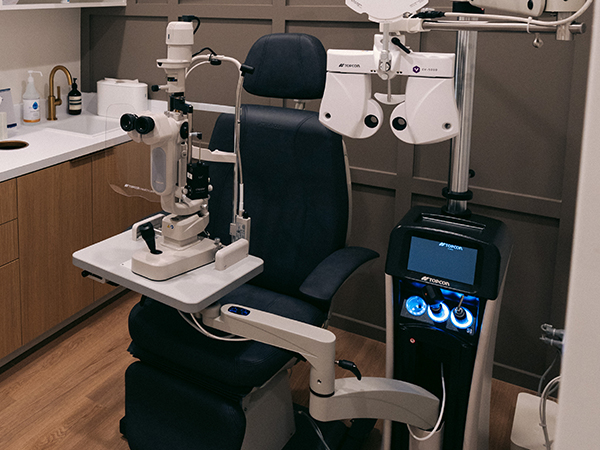
All Eye Care Services
Find personalized eye care excellence with our comprehensive services. From eye exams to advanced diagnostics, trust us for all your vision needs.
Keep In Touch
For non-urgent questions or to learn more about our services, contact us today!
© 2026 Iris Eye Care & Eyewear. All rights Reserved - Accessibility Statement - Privacy Policy - Sitemap
Managed and Designed by 