Scleral Lenses vs. Hard Contacts: Better Vision for Houston Keratoconus Patients

Scleral Lenses vs. Hard Contacts: Better Vision for Houston Keratoconus Patients
Keratoconus changes the normally smooth shape of the cornea, causing it to thin and bulge forward. Because light no longer enters the eye evenly, patients may experience blurred vision, glare, halos, double images, or frequent prescription changes. For many Houston keratoconus patients, standard glasses and soft contacts eventually stop providing dependable clarity.
Specialty contact lenses can create a smoother optical surface over the irregular cornea. Two common options are corneal rigid gas permeable lenses, often called hard contacts, and scleral lenses. Both can sharpen vision, but they fit the eye differently.
What Are Hard Contacts?
Traditional hard contacts for keratoconus are usually small rigid gas permeable lenses that sit directly on the cornea. Their firm surface can mask corneal irregularity and improve focus more effectively than glasses or soft contacts.
However, because the lens rests on the sensitive corneal surface, some patients notice lens awareness or discomfort. A small lens may also shift with blinking, especially when the cornea is significantly uneven. Achieving a stable fit can require careful measurements and several adjustments.
How Scleral Lenses Work Differently
Scleral lenses are also made from gas permeable material, but they are larger than standard corneal hard contacts. Instead of resting on the irregular cornea, they vault over it and land on the white part of the eye, called the sclera. The space beneath the lens is filled with preservative-free saline before insertion, creating a smooth optical surface and a fluid reservoir.
This design can provide several advantages for Houston patients with keratoconus:
- More stable vision with less lens movement
- Reduced contact with the sensitive corneal surface
- Greater comfort for many patients who cannot tolerate smaller hard lenses
- A moisture-filled reservoir that may help the eyes feel more comfortable during wear
Which Lens Provides Better Vision?
Both corneal RGP lenses and scleral lenses can deliver excellent visual correction. The better choice depends on the shape and severity of the keratoconus, tear film quality, eyelid anatomy, comfort needs, and daily activities.
A smaller hard contact may work well for mild or moderate corneal irregularity when the lens centers properly and remains comfortable. Scleral lenses are often considered when corneal RGP lenses move excessively, cause discomfort, repeatedly dislodge, or fail to provide consistent vision. Their larger diameter can improve stability and help create reliable optics across an irregular cornea.
Why Custom Fitting Matters
Keratoconus affects every cornea differently, so specialty lenses cannot be selected from prescription strength alone. A detailed evaluation may include corneal topography to map the curves and elevations of the eye. The doctor then evaluates lens clearance, edge alignment, movement, comfort, and visual performance.
Follow-up visits are also important. Small changes in lens design can improve comfort, reduce fogging, and support corneal health. Patients should not continue wearing a lens that causes persistent redness, pain, light sensitivity, or sudden changes in vision.
Discover a clearer, more comfortable way to see and schedule a specialty contact lens fitting with Iris Eye Care & Eyewear in Houston, TX, at (713) 701-5701.
Helpful Articles
article_category: products
article_category: psychiatry
article_category: faqs
article_category: cats
article_category: general
article_category: services
article_category: technology
article_category: dogs
article_category: restorative
article_category: vision therapy
article_category: contact lenses
article_category: health
article_category: conditions
article_category: eye surgery co-management
article_category: exotic
article_category: cosmetic
article_category: surgical procedures
article_category: aesthetics
article_category: preventative
article_category: ocular disease management
article_category: eyeglasses
article_category: eye health
article_category: large animal
[]
article_category: psychiatry
article_category: faqs
article_category: cats
article_category: general
article_category: services
article_category: technology
article_category: dogs
article_category: restorative
article_category: vision therapy
article_category: contact lenses
article_category: health
article_category: conditions
article_category: eye surgery co-management
article_category: exotic
article_category: cosmetic
article_category: surgical procedures
article_category: aesthetics
article_category: preventative
article_category: ocular disease management
article_category: eyeglasses
article_category: eye health
article_category: large animal
[]
Flowbite is an open-source library of interactive components built on top of Tailwind CSS including buttons, dropdowns, modals, navbars, and more.
Check out this guide to learn how to get started and start developing websites even faster with components on top of Tailwind CSS.
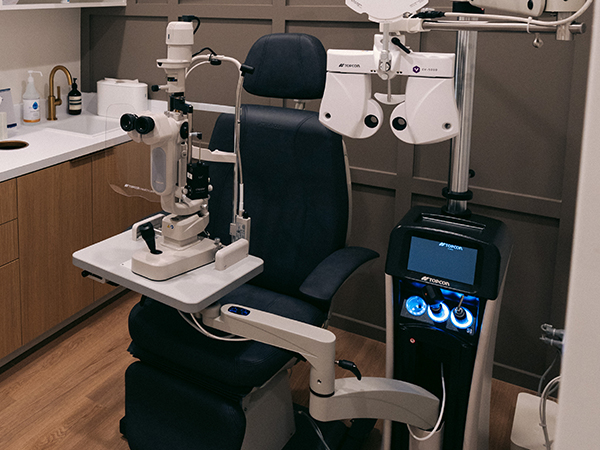
All Eye Care Services
Find personalized eye care excellence with our comprehensive services. From eye exams to advanced diagnostics, trust us for all your vision needs.
Keep In Touch
For non-urgent questions or to learn more about our services, contact us today!
© 2026 Iris Eye Care & Eyewear. All rights Reserved - Accessibility Statement - Privacy Policy - Sitemap
Managed and Designed by 